Sell Pet Products Without Inventory: How Direct-Ship Works

Yes. You can earn on pet products with no inventory to hold. The model is called direct-ship (a form of dropshipping): you recommend products through an online storefront, the customer buys, and a supplier or fulfillment partner ships the order straight to their door. You never purchase stock, pack boxes, or run a warehouse.
How does direct-ship for pet products work?
With direct-ship, you skip the two hardest parts of retail: buying stock up front and fulfilling orders. You open an online store and feature products you trust; a customer orders and pays the retail price; the order routes to a supplier or fulfillment partner; they pick, pack, and ship it directly; you earn a cut of each order, either a retail margin or, on ShopDot, a commission. Because you never pre-buy inventory, your upfront cost is close to zero and dead stock can't pile up. This is the same setup behind most "drop ship pet supplies" businesses. What differs between models is who owns the customer relationship and how products get chosen.
What are the pros and cons of pet dropshipping?
Here are both sides.
- Pros: near-zero startup cost, a wide catalog with no storage limits, and more orders don't mean more packing.
- Cons: thinner margins than buying wholesale; less control over shipping speed, packaging, and returns; quality depends on the supplier; and generic dropshipping niches are crowded and price-competitive.
The category is attractive — the global pet care e-commerce market was worth $94.89 billion in 2024 and is projected to reach $147.59 billion by 2030 (Grand View Research). A large market is also a crowded one. The pros who do well rely on the trust their clients have in them.
How is a curated storefront different from generic dropshipping?
In open dropshipping you can list almost anything and race competitors to the bottom on price. A curated storefront works differently: you recommend a vetted set of products you endorse, fulfillment is handled for you, and clients buy because they trust you. You earn on advice clients ask you for, and you never handle a box. On ShopDot Pet, you recommend products and the brands ship them.
What pet products are easiest to sell without inventory?
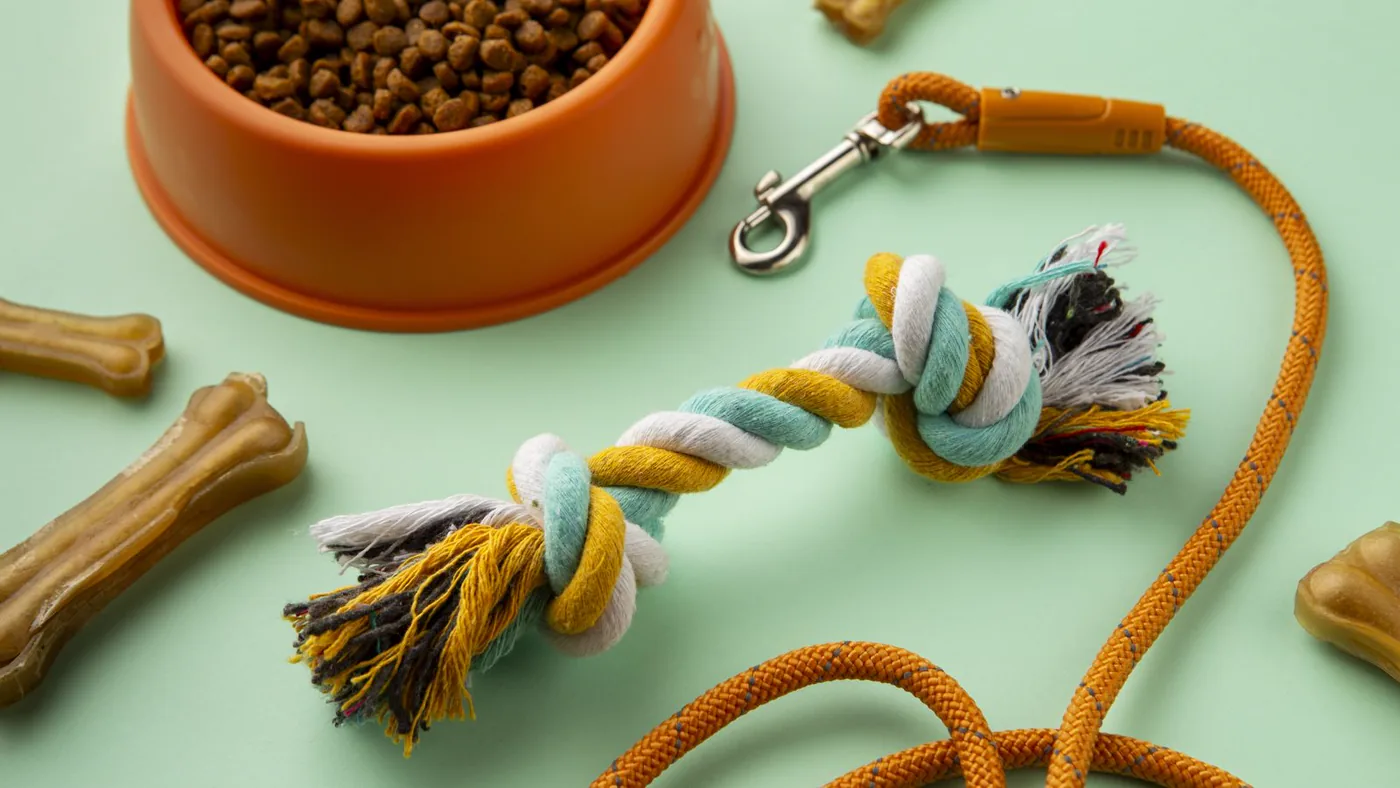
Lightweight, non-perishable, repeat-purchase items travel best: leashes, collars, harnesses, toys, grooming tools, supplements, and branded apparel. Consumables like food sell steadily but carry thinner margins and higher shipping weight. Specialty and personalized items command the strongest markups. The best sellers for any pet pro are the products you already recommend by name — the food you feed, the shampoo you use, the harness you fit.
Is selling pet products without inventory worth it for pet pros?
For trainers, sitters, vets, and groomers, the point is to earn from recommendations you give away for free. When a client asks what food you use, you send a link and earn a commission. Read more on how pet pros earn from the products they recommend. Want to see the mechanics end to end? Here's how it works.
On the other side of the same catalog: if you make a pet product, here is how brands get into professional storefronts.
FAQ
How do you sell products without holding inventory?
You use direct-ship (dropshipping): list products in an online store, the customer buys, and a supplier or fulfillment partner ships to them directly. You never buy stock or pack orders, and you earn a margin or a commission on each order.
Is pet dropshipping profitable?
It can be. Standard items typically run ~20–40% margin; accessories, premium, and personalized products often reach 50%+, while food is lower. Profit depends mostly on trust. Curated recommendations sell better than price-driven listings.
What kind of pet products are easiest to sell without inventory?
Lightweight, non-perishable, repeat-purchase items: collars, leashes, toys, grooming tools, supplements, and apparel. Specialty and personalized products carry the highest margins; bulky or perishable goods are harder.
Do I need a business license to sell pet products online?
Usually a basic business license and a sales-tax permit, which vary by state and locality — check your local requirements. Reselling finished consumer pet products rarely needs a special pet-retail license. On ShopDot, ShopDot is the seller and merchant of record, so it collects and remits sales tax and you don't need a reseller license. Your commissions are independent income, and ShopDot files any tax information returns the law requires. This is general guidance, not legal advice.
Earn on the products you recommend.
You tell clients what to buy. Earn a commission when they do, with no inventory and no shipping.
Get started free