SuperZoo 2026: Trends & What We Saw on the Show Floor

ShopDot Pet spent the week at SuperZoo 2026, and one story ran under everything else on the floor: pet professionals want to sell what they already recommend, brands want a channel into those same clients, and neither side has had an easy way to close that loop.
The floor felt the same as it always does: packed booths, new products everywhere, more to see than any one team can cover. What felt different this year were the conversations happening in the PIN Panel, in the education sessions, and in casual asides at booths, all circling the same disconnect from different directions.
Human-grade formats are the trend that stood out
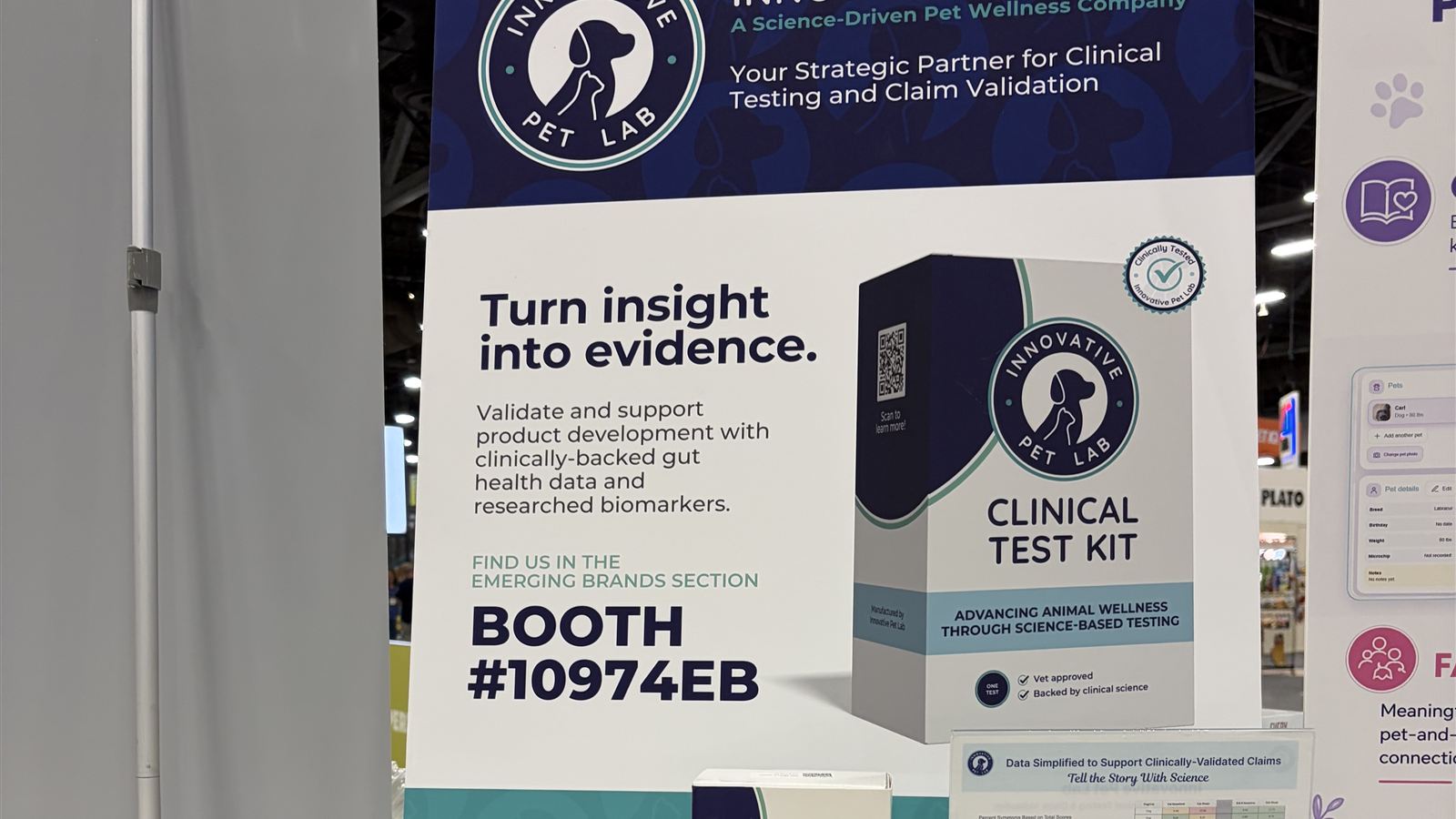
The Emerging Brands section was a good gauge of where product innovation is headed, and one theme stood out: human-grade formats are still very strong. A lot of what we saw took a format pet parents use themselves and adapted it for their pet, part of the broader humanization trend that's been reshaping this industry for years.
Pet Pax showed oral pet strips, a dissolving-strip format borrowed directly from human breath strips and supplements. Pet Strip Club took a similar approach with dog dental strips, positioned as an easier alternative to pills, powders, or physical brushing. Both point to the same underlying shift: pet parents want the convenience and familiarity of formats built for people, applied to their pet's routine.
The market keeps growing, and pet budgets are the last thing cut
| Year | U.S. pet industry size |
|---|---|
| 2025 | $158 billion |
| 2026 (projected) | $165 billion |
According to the American Pet Products Association, the U.S. pet industry reached $158 billion in 2025 and is on track for $165 billion in 2026, growth that's holding even as households pull back elsewhere.
That kind of resilience raises the stakes on recommendation. A pet parent isn't building a one-off purchase; they're building an ongoing routine for their pet. And the person who shapes that routine, more often than not, is the groomer, trainer, or sitter they see every week.
Pet professionals are the recommendation engine of this industry
The pattern showed up in the PIN Panel, in several education sessions, and in casual conversation at booths: pet professionals want to sell the products they recommend to their clients, and brands want a sales channel into those same clients, one that doesn't run through paid ads or traditional retail.
A pet parent has more confidence in the person who handles their dog every week than in an ad, a review, or a marketplace listing. Price rarely wins that decision on its own — a recommendation from someone who actually knows the dog does. That rapport gets used constantly, and it still rarely gets captured as revenue for the person providing it.
Brands and pet pros are describing the same gap
We heard the same disconnect from brands we talked to on the floor, and from the pet professionals recommending their products every day — two sides of the same gap, described in almost identical terms.
"Pet pros should have the chance to capture those sales, and we want to be supporting pet professionals in doing that." — SodaPup
Snaggletooth described the same gap from the distribution side. Traditional retail is expensive, and shelf space is hard to win.
"It helps us open up new sales channels through pet professionals, which can be hard to get your product in the door with otherwise." — Snaggletooth
Eve Molzhon, who owns a daycare, boarding, and training business, described what closing that gap looks like in practice. Pet parents come in wanting their dog fitted for a harness. She keeps one of each size on hand to fit them properly, and until recently, that was where it ended. Now she can say: what if I send you the link to order it right now, or have it ready next time you drop your dog off.
"It's so much easier than housing all the product myself, and it makes it simple for my clients." — Eve Molzhon
Most pet professionals aren't there yet. One groomer, working without any platform behind her, was blunt about why:
"I'm not really sure how to start selling products, I don't have the room to carry it all."
She's not wrong. The traditional version of selling products — buying inventory, stocking a shelf, managing returns — doesn't fit most pet professional businesses, and most don't want it to.
What should pet brands take away from SuperZoo?
Creator commerce and AI-driven shopping assistants are pulling consumer attention away from the channels brands used to count on. Search visibility is getting harder to win. Paid acquisition costs keep climbing. Shelf space is margin-compressed. Against that backdrop, a recommendation from a pet professional a client already relies on is one of the few channels still getting stronger, and it happens every day whether or not the brand has a way to connect to it.
SuperZoo itself reflects how seriously the industry takes both sides of this. The show maintains a Content Creator Credential Policy that welcomes digital creators, bloggers, and podcasters covering pet retail and education, provided they pre-register with vetted credentials, so their coverage translates into meaningful business value for exhibitors. Creators reach audiences at a scale a single pet professional can't match, and that reach matters. But reach and hands-on experience aren't the same thing. A creator can tell a large audience about a product. A groomer, trainer, or sitter is the one who's actually used it on a specific pet and can speak to how it worked. Brands that lean on both get the best of each: the visibility creators bring, and the direct, repeatable credibility that only comes from the person who was in the room with the animal.
Brands that build real infrastructure around that channel plug into a network of advocates who were making the recommendation anyway and needed a way to close the loop. See how brands get into pro storefronts.
What should pet professionals take away from SuperZoo?
Pet professionals have the interest. The barrier has been access. Every model built for this over the years assumed something most pet professionals don't have going in: inventory capital, a large following, or the time to build and run an online store. That's what the groomer above was describing.
The version that actually fits a pet professional's business is simpler: a link that takes a client to the exact product the pro recommended, with the brand shipping the order. That's the same shift covered in how pet pros earn from the products they recommend and in how direct-ship selling works.
The window to build this channel is now
Between rising acquisition costs and AI narrowing the space for traditional search, the recommendation a credible pet professional makes in person is becoming one of the few channels a brand can't easily buy its way into.
FAQ
How big is the U.S. pet industry in 2026?
The U.S. pet industry reached $158 billion in 2025 and is projected to reach $165 billion in 2026, according to the American Pet Products Association — growth that's holding even as households cut spending elsewhere.
Why are pet professionals called the recommendation engine of the pet industry?
Pet parents trust the groomer, trainer, or sitter who handles their dog every week more than an ad, a review, or a marketplace listing. That weekly relationship shapes what pet parents buy far more than price alone.
How can pet brands reach pet professionals without paid ads or traditional retail?
Platforms like ShopDot connect brands directly to a network of vetted pet professionals who recommend products to clients as part of their work, giving brands a sales channel that doesn't depend on paid acquisition or shelf space.
Do pet professionals need to hold inventory to sell products to clients?
No. A pro-storefront platform lets a pet professional send clients a link to order the exact product they recommended. The brand ships each order direct to the client.
Turn what you already recommend into revenue
ShopDot lets pet professionals send clients straight to the products they recommend — no inventory, no stockroom, no new skill set.
Get started free